
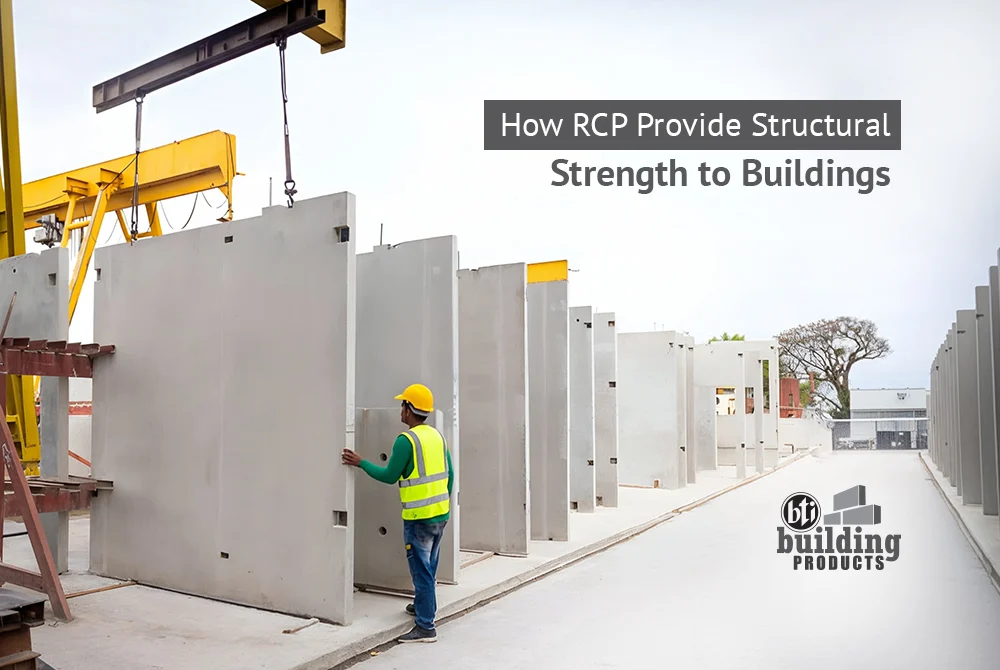
How RCP Provides Structural Strength to Buildings
In modern construction, the demand for durability, safety, and efficiency has driven the evolution of advanced building materials. Among these, Reinforced Concrete Panels (RCP) have emerged as a reliable and high-performance solution for strengthening building structures. Widely used in residential, commercial, and industrial projects, RCP combines the inherent strength of concrete with the tensile capacity of steel reinforcement, resulting in a structural system that performs exceptionally under diverse loads and conditions.
Understanding Reinforced Concrete Panels (RCP)
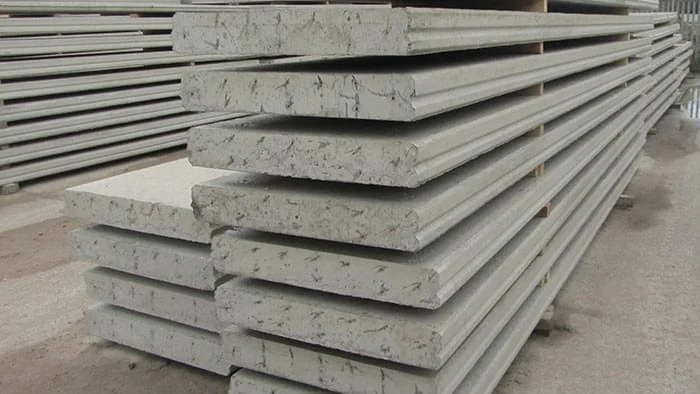
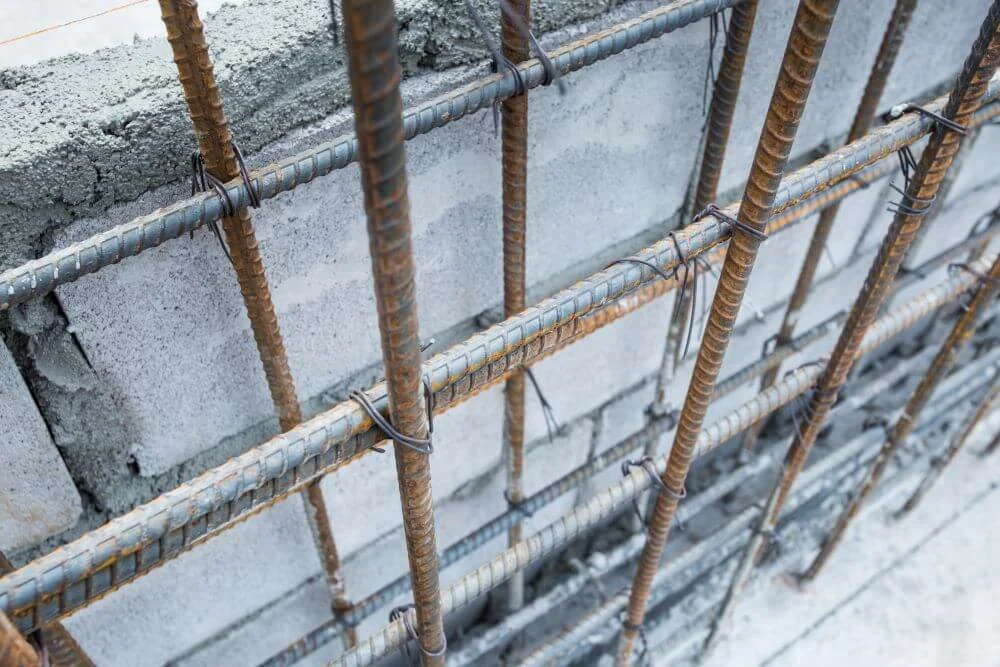
Reinforced Concrete Panels (RCP) are precast or cast-in-situ concrete elements embedded with steel reinforcement. The concrete provides compressive strength, while the steel reinforcement resists tensile forces. This composite action allows RCP to withstand bending, shear, and dynamic loads more effectively than conventional masonry or plain concrete elements.As engineered building materials, RCPs are manufactured under controlled conditions, ensuring consistent quality, dimensional accuracy, and structural reliability.
How RCP Enhances Structural Strength
- Composite Action of Concrete and Steel
Concrete is inherently strong in compression but weak in tension. Steel reinforcement compensates for this limitation by carrying tensile stresses. In RCP, the bond between concrete and steel ensures load sharing, preventing cracks from propagating and maintaining structural integrity under stress.
- Load Distribution and Stability
RCP act as load-bearing or semi-load-bearing elements, efficiently transferring vertical and lateral loads to the foundation. When used in walls, floors, or façades, these panels distribute loads uniformly, reducing stress concentrations and enhancing overall building stability.
- Resistance to Lateral Forces
Buildings are frequently subjected to lateral forces such as wind loads and seismic activity. Reinforced Concrete Panels provide rigidity and ductility, enabling structures to absorb and dissipate energy during earthquakes or high wind events. This makes RCP particularly suitable for high-rise buildings and structures in seismic zones.
- Crack Control and Durability
The steel reinforcement in RCP limits crack widths caused by shrinkage, temperature variation, or external loads. Controlled cracking not only preserves structural strength but also enhances durability by preventing moisture ingress and corrosion, extending the building’s service life.
Structural Performance Advantages of RCP
- High Load-Bearing Capacity: Suitable for both vertical and horizontal structural elements.
- Fire Resistance: Concrete’s non-combustible nature provides inherent fire protection, safeguarding the steel reinforcement.
- Long-Term Durability: Resistant to weathering, corrosion (when properly designed), and environmental degradation.
- Dimensional Stability: Maintains shape and alignment under sustained loads.
These attributes position RCP as one of the most dependable building materials in contemporary construction.
Uses of RCP in Building Construction
The uses of RCP span a wide range of structural and non-structural applications:
- Load-Bearing Walls
RCP is commonly used as load-bearing walls in residential and commercial buildings, replacing traditional brick or block masonry while offering superior strength and faster construction.
- Floor and Roof Systems
Precast reinforced concrete panels are extensively used in floor slabs and roof decks, providing high stiffness, reduced deflection, and excellent load-carrying performance.
- Shear Walls
In high-rise structures, RCPs function as shear walls that resist lateral forces and control building sway, significantly improving seismic performance.
- Façade and Cladding Panels
While often non-load-bearing, façade RCP still contributes to structural rigidity and protects the building envelope from environmental stresses.
- Industrial and Infrastructure Projects
Warehouses, factories, parking structures, and utility buildings rely on RCP for their ability to support heavy loads and endure demanding operational conditions.
RCP and Construction Efficiency
Beyond strength, Reinforced Concrete Panels support efficient construction practices. Precast RCP reduces on-site labor, minimizes construction time, and ensures consistent quality. This efficiency lowers project risks while maintaining high structural standards, making RCP a preferred choice for large-scale developments.
Role of RCP in Sustainable Construction
As advanced building materials, RCP also contributes to sustainability. Their durability reduces the need for frequent repairs, while factory-controlled production minimizes material waste. When designed efficiently, RCP systems can also improve thermal performance, supporting energy-efficient buildings.
Conclusion
Reinforced Concrete Panels (RCP) play a critical role in providing structural strength to buildings. Through the combined action of concrete and steel, RCP delivers high load-bearing capacity, resistance to lateral forces, durability, and long-term performance. Their versatility and reliability have established them as essential building materials in modern construction.
From load-bearing walls and shear systems to floors and façades, the uses of RCP continue to expand as the construction industry prioritizes strength, safety, and efficiency. As urban development grows and structural demands become more complex, Reinforced Concrete Panels will remain a cornerstone of resilient and high-performance building design.