Blog Grid

Recycling Hollow Blocks in Construction Work
building products

Recycling Hollow Blocks in Construction Work

The construction industry is undergoing a critical shift toward sustainability, driven by rising material costs, environmental regulations, and growing awareness of responsible building practices. Among various construction materials, hollow blocks stand out not only for their structural efficiency but also for their recyclability. Hollow block recycling is increasingly becoming a practical solution for reducing construction waste, conserving resources, and promoting environmentally conscious development.

Understanding Hollow Blocks in Construction

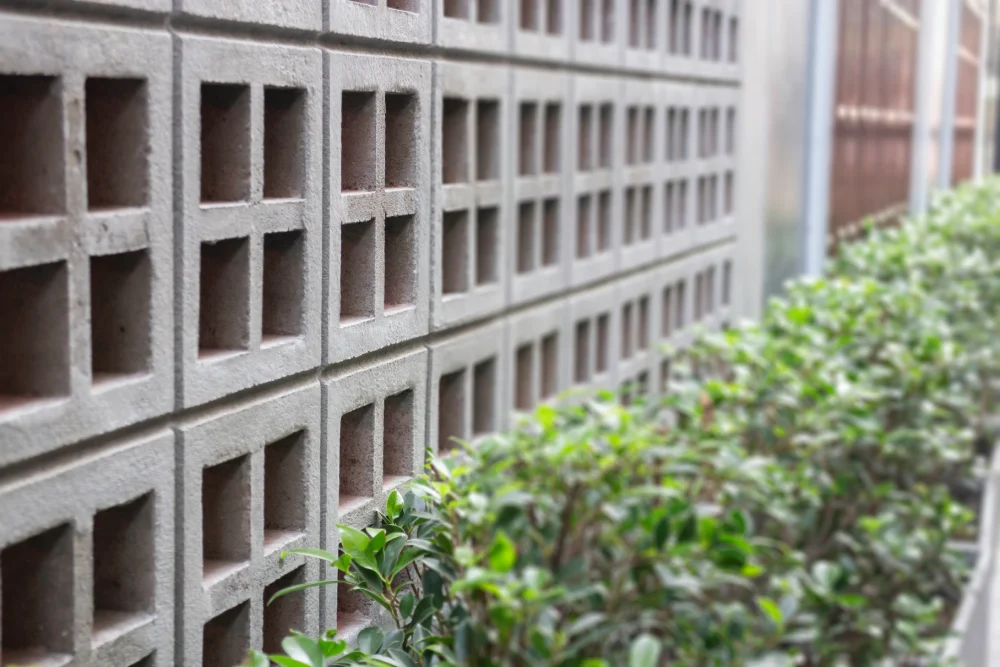
Hollow blocks are widely used in residential, commercial, and industrial construction due to their lightweight structure, durability, thermal insulation, and cost efficiency. Their internal voids reduce material usage while maintaining structural strength, making them a preferred alternative to solid concrete blocks.

However, like all construction materials, hollow blocks can generate waste during demolition, renovation, or surplus from construction sites. Recycling these blocks helps convert potential waste into valuable reusable resources.

Why Recycling Hollow Blocks Matters

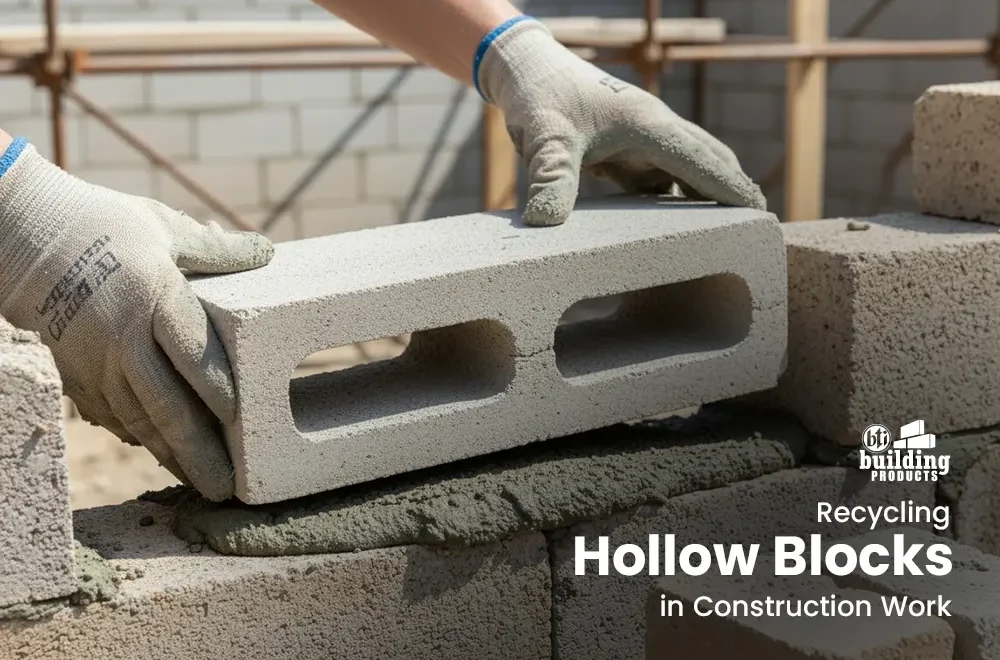
worker builds hollow block for new home

Construction and demolition waste account for a significant portion of landfill pressure worldwide. Recycling hollow blocks directly addresses this issue by:

  • Reducing landfill waste
  • Conserving natural resources such as sand, stone, and cement
  • Lowering carbon emissions associated with new material production
  • Cutting down construction costs through material reuse

By integrating hollow block recycling into construction workflows, developers can align with green building standards and sustainability goals.

How Hollow Blocks Are Recycled

Recycling hollow blocks is a systematic process that transforms discarded blocks into reusable construction material. The typical steps include:

  • Collection and Sorting
    Broken, damaged, or unused hollow blocks are collected from construction or demolition sites and separated from other waste materials.


  • Crushing and Processing
    The blocks are crushed into aggregates of varying sizes using mechanical crushers. These recycled aggregates can replace natural aggregates in many construction applications.


  • Screening and Quality Control
    The crushed material is screened to ensure uniform size and tested for strength and usability.


  • Reuse in New Construction
    Recycled hollow block material can be used in road sub-bases, non-structural concrete, pavement blocks, boundary walls, and even in the manufacturing of new hollow blocks.

Applications of Recycled Hollow Blocks

Recycled hollow block materials are versatile and can be used across multiple construction activities:

  • Manufacturing new hollow blocks
  • Road base and sub-base layers
  • Backfilling and leveling work
  • Non-load-bearing walls
  • Landscaping and outdoor paving

This reuse not only reduces raw material dependency but also ensures optimal utilization of existing resources.

Environmental Benefits of Hollow Blocks Recycling

The environmental impact of recycling hollow blocks is substantial:

  • Lower Carbon Footprint: Recycling requires less energy than producing new concrete blocks from raw materials.
  • Reduced Resource Extraction: Decreases demand for quarrying sand and stone.
  • Waste Minimization: Prevents construction debris from ending up in landfills.
  • Support for Green Certification: Encourages compliance with LEED and other green building standards.

For developers and contractors, adopting recycling practices strengthens their commitment to sustainable construction.

Economic Advantages for Builders and Developers

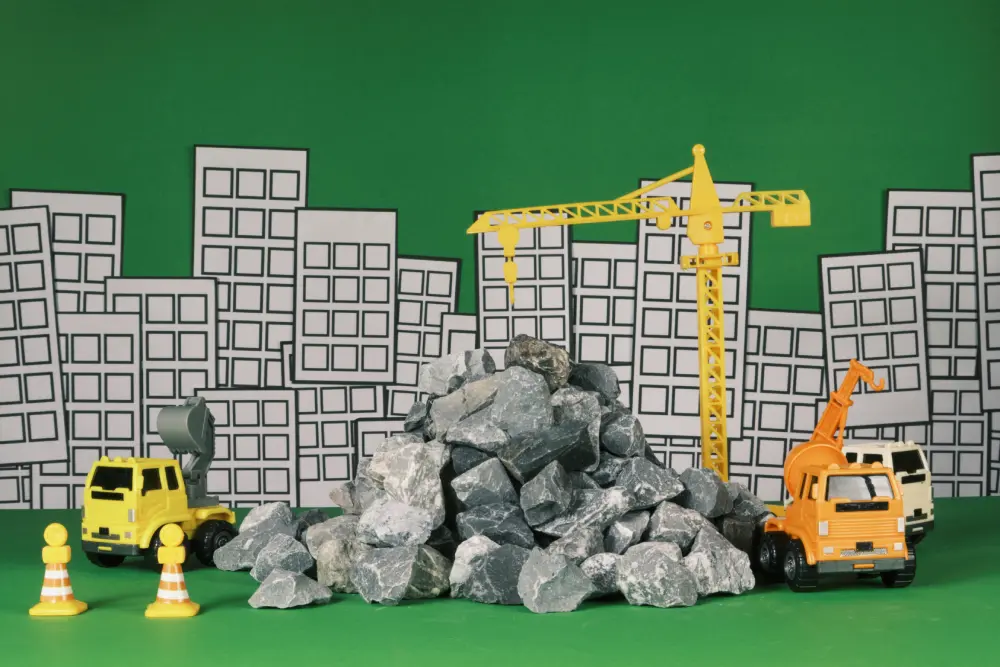
Toy models simulation construction industry real estate development

Beyond environmental responsibility, recycling hollow blocks offers tangible economic benefits:

  • Reduced disposal and transportation costs
  • Lower material procurement expenses
  • Improved project efficiency through on-site recycling
  • Enhanced brand reputation for sustainable practices

In markets where construction material prices fluctuate, recycled materials offer a stable and cost-effective alternative.

Challenges in Recycling Hollow Blocks

Despite its advantages, hollow blocks recycling faces certain challenges:

  • Initial setup cost for recycling equipment
  • Need for proper segregation at construction sites
  • Quality control to meet structural standards
  • Limited awareness and technical expertise in some regions

However, with proper planning, investment, and regulatory support, these challenges can be effectively addressed.

The Future of Hollow Block Recycling

As sustainable construction becomes a priority, recycling hollow blocks will play an increasingly important role. Innovations in crushing technology, improved material testing, and growing demand for eco-friendly buildings are accelerating the adoption of recycled construction materials.

Forward-thinking construction firms are already integrating recycling into their operations—setting benchmarks for efficiency, sustainability, and responsible development.

Conclusion

Recycling hollow blocks in construction work is no longer an optional practice—it is a strategic necessity. By embracing hollow block recycling, the construction industry can significantly reduce environmental impact while improving cost efficiency and resource management.

As cities grow and construction demands rise, sustainable solutions like hollow block recycling will define the future of responsible building—ensuring progress that is both durable and environmentally sound.

Using Building Scrap Materials to Refurbish Homes
building products

Using Building Scrap Materials to Refurbish Homes: A Smart and Sustainable Choice

Introduction

In an age where sustainability meets creativity, using building scrap materials to refurbish homes has become more than just an eco-friendly trend; it’s a cost-effective and innovative way to add character to your space.

Across Bangladesh, homeowners and builders are discovering that leftover construction materials such as wood offcuts, metal frames, tiles, and reclaimed concrete can be repurposed beautifully to give homes a fresh new look without increasing waste.

1. What Are Building Scrap Materials?

Building scrap materials refer to leftover or excess items from construction sites, renovation projects, or demolitions. These can include:

  • Broken or surplus tiles
  • Wood planks and pallets
  • Metal rods, sheets, and frames
  • Concrete debris and bricks
  • Glass panels and fixtures
  • PVC and plastic piping

When sorted and reused properly, these materials can reduce construction waste and lower costs while adding a unique touch to your refurbishment project.

2. Why Reuse Scrap Materials in Home Refurbishment?

a. Cost Efficiency

Using scrap materials helps cut down on the cost of new supplies. Many of these can be repurposed with minimal processing, offering great value for budget-conscious homeowners and contractors.

b. Environmental Sustainability

Bangladesh’s construction sector generates thousands of tons of waste every year. By recycling and reusing building scrap, we can reduce landfill waste and conserve natural resources, a small step toward greener cities.

c. Unique Aesthetic Appeal

Reclaimed materials bring texture, colour, and history into your home. Imagine a feature wall made of old bricks or a rustic coffee table built from salvaged wood; every piece tells a story.

3. Creative Ways to Reuse Building Scrap Materials

a. Upcycle Old Wood into Furniture

Old doors, window frames, and wooden pallets can be transformed into stylish shelves, benches, or tables. The natural grain of aged wood adds warmth and authenticity to interior spaces.

b. Reclaimed Bricks and Concrete

Broken bricks or concrete chunks can be reused to create garden pathways, boundary walls, or even outdoor seating areas. They add a rustic charm that new materials often can’t match.

c. Metal and Glass for Modern Touches

Metal scraps can be welded into light fixtures, railing designs, or decorative partitions. Similarly, recycled glass panels can be used creatively for skylights, windows, or room dividers.

d. Repurposed Tiles for Artistic Finishes

Use leftover tiles to create mosaic backsplashes, colourful tabletops, or bathroom wall accents. It’s an affordable way to introduce vibrancy and art into your home.

4. Safety and Preparation Tips

Before using any scrap material, make sure to:

  • Inspect for structural damage, rust, or decay.
  • Clean and sanitise thoroughly, especially in the case of wood or glass.
  • Consult professionals for load-bearing structures.
  • Seal and treat reclaimed wood to prevent termites or moisture damage.

Conclusion

Refurbishing your home using building scrap materials isn’t just an act of creativity — it’s a commitment to a greener and smarter way of living. When combined with quality materials from bti Building Products, your refurbishment project can achieve both aesthetic excellence and environmental responsibility.

Unipavers be Used to Fight Waterlogging in Dhaka
Unipavers

Can Unipavers be Used to Fight Waterlogging in Dhaka?

Dhaka, the heart of Bangladesh, has long struggled with one recurring urban challenge — waterlogging. Each monsoon brings with it flooded streets, stalled traffic, and disrupted lives. Despite continuous urban development, poor drainage systems and rapid unplanned construction have exacerbated the situation. As city planners and construction experts seek sustainable solutions, one question stands out: Can Unipavers help mitigate waterlogging in Dhaka?

Let’s explore what Unipavers are, their key uses, and how they can play a vital role in improving Dhaka’s drainage and urban resilience.

What Are Unipavers?

Unipavers are interlocking concrete blocks that are widely used for outdoor paving applications. Unlike traditional concrete slabs or asphalt, Unipavers are designed with small gaps and joint patterns that allow water to seep through or drain efficiently. Their modular nature makes them easy to install, maintain, and replace, while their strength ensures durability under heavy loads.

In Bangladesh, Unipavers are commonly used for driveways, walkways, parking lots, and open spaces. They come in various shapes, colors, and textures — enhancing both functionality and aesthetics.

Uses of Unipavers

The uses of Unipavers extend far beyond beautification or surface stability. These versatile blocks serve multiple practical purposes in urban design and sustainable construction:

use of unipavers

  • Driveways and Parking Areas
    Unipavers provide a stable, non-slippery surface ideal for vehicles. Their interlocking pattern distributes weight evenly, reducing surface cracks and deformation. 
  • Pedestrian Walkways and Public Spaces
    They are used extensively in walkways, parks, courtyards, and sidewalks for both visual appeal and safety. 
  • Industrial and Commercial Zones
    Heavy-duty Unipavers are installed in factory yards and loading docks due to their ability to withstand substantial pressure and frequent movement. 
  • Eco-Friendly Urban Infrastructure
    Some Unipaver designs include permeable variants that allow rainwater to pass through, replenishing groundwater and preventing surface runoff.

How Unipavers Can Help Combat Waterlogging

To understand how Unipavers can be part of Dhaka’s waterlogging solution, it’s essential to focus on their permeability and drainage-friendly design.

  • Promoting Natural Water Absorption
    Unlike conventional concrete pavements, Unipavers can be laid with small gaps filled with sand or gravel, allowing rainwater to percolate into the soil below. This natural infiltration process reduces surface water accumulation and helps recharge underground water levels.
  • Reducing Surface Runoff
    In Dhaka, where impermeable surfaces dominate the landscape, rainwater often has nowhere to go but the streets. By replacing large stretches of impermeable roads and courtyards with Unipavers, we can significantly reduce surface runoff and the pressure on the city’s drainage system.
  • Enhancing Stormwater Management
    Permeable Unipavers work as miniature drainage systems. During heavy rain, water seeps through the paver joints, slowing down flow and minimizing flooding risks. When combined with a proper sub-base design, they can store and gradually release excess water into the soil or stormwater channels.
  • Ease of Maintenance and Repair
    One of the most practical advantages of Unipavers is their modular structure. If a section becomes clogged or damaged, it can be easily lifted, cleaned, and reinstalled without disturbing the rest of the pavement — an essential feature for managing long-term urban infrastructure.
  • Aesthetic and Environmental Benefits
    Apart from functional advantages, Unipavers enhance the beauty of roadsides, parks, and public areas. Using light-colored or reflective Unipavers can even help reduce heat absorption, contributing to cooler microclimates and better environmental quality.

Real-World Applications and Global Examples

Many developed cities have already adopted permeable paving systems to tackle waterlogging and improve stormwater management.

  • Singapore integrates porous pavements across parking areas and walkways as part of its sustainable urban drainage initiative. 
  • Tokyo has installed water-permeable paving in flood-prone neighborhoods to minimize surface flooding. 
  • Kuala Lumpur and Jakarta, cities facing similar monsoon challenges as Dhaka, are increasingly using Unipavers and other permeable materials to improve drainage and urban resilience. 

These global examples show that the technology is proven and effective — it’s now about adapting it strategically for Dhaka’s specific urban conditions.

Implementing Unipavers in Dhaka — The Way Forward

To maximize the benefits of Unipavers in Dhaka , careful planning and policy-level decisions are needed. Here are a few steps that can help:

road amidst trees park

  • Promote Permeable Designs in Urban Planning
    City authorities can make it mandatory to use permeable paving in parking lots, sidewalks, and open public spaces. This will gradually increase water absorption capacity across the city.
  • Encourage Private Developers
    Real estate developers and commercial property owners can play a key role by adopting Unipavers in driveways, building entrances, and landscapes. Beyond functionality, this also adds a touch of elegance to their projects.
  • Integrate with Drainage Networks
    For maximum efficiency, Unipaver installations should be integrated with underground drainage systems. This ensures smooth water flow even during heavy downpours.
  • Raise Public Awareness
    Homeowners and businesses can also benefit from Unipavers in their own premises. Replacing traditional concrete surfaces with Unipavers in courtyards or pathways can prevent localized flooding during rain.

Challenges to Consider

While Unipavers are an effective tool against waterlogging, they are not a standalone solution. Some challenges include:

  • Proper Installation: Incorrect laying or a lack of proper base materials can reduce permeability. 
  • Maintenance: Paver joints can get clogged with dirt or debris over time, reducing drainage efficiency. Regular cleaning and sand replacement are required. 
  • Cost Factor: Initially, Unipavers may seem more expensive than traditional concrete, but their long-term benefits and durability offset the cost.

Unipavers offer a sustainable, aesthetic, and practical solution to one of Dhaka’s most persistent urban problems — waterlogging. Their ability to allow water infiltration, reduce surface runoff, and support stormwater management makes them a valuable asset for modern city planning.

While Unipavers alone cannot eliminate waterlogging entirely, integrating them into urban infrastructure, residential complexes, and public spaces can significantly reduce the impact of heavy rains. By embracing such sustainable construction practices, Dhaka can move closer to becoming a cleaner, greener, and more resilient city.

Reusing Building Materials: Key to Sustainability in Architecture?
building products

Reusing Building Materials: Key to Sustainability in Architecture?

Construction and real estate use a majority of the resources available to us. The construction industry is one of the largest contributors to worldwide carbon emissions. The harmful effects caused by real estate and construction are not just limited to carbon emissions. They also create waste and deplete our already insufficient resources. As the demand for infrastructure grows with accelerating urbanization, architects and builders are feeling pressured to find sustainable solutions for a better tomorrow. Many conversations are centered upon green building technologies and energy-efficient designs, where it has been found that reuse of building materials could hold the key to sustainability.

Reusing existing materials can give them a second life, architects can reduce the impact on the environment and make construction more cost-effective in the long run. Let us explore deeper to see whether this might resolve the issue of sustainability in architecture.

1. Environmental Benefits

In global landfills, a major portion is made up of waste from construction sites. When existing materials are salvaged and reused, architects and developers can then drastically reduce waste while conserving natural resources. Reuse will also reduce carbon emissions associated with manufacturing and transporting new materials.

2. Economic Benefits

Reclaimed materials often cost less than brand new ones. For homeowners and real estate developers alike, this creates major savings, especially on large projects. Moreover, reusing materials can lower disposal costs as lesser waste goes to landfills.

 photorealistic timber house interior with wooden decor furnishings

3. Cultural and Aesthetic Value

Materials like reclaimed wood, vintage bricks, or ornate tiles add unique character to otherwise modern structures. They carry history and offer aesthetic qualities that brand-new materials often cannot replicate. Therefore, reuse is both soulful and sustainable.

4. Commonly Reused Materials in Architecture

Even though we cannot use all materials for reuse, but we can give many a second life with the correct care and treatment:

  • Wood: Reclaimed timber from old buildings is popularly used for flooring, furniture, and even structural use.
  • Bricks: Cleaned and repurposed old bricks add functionality with rustic charm.
  • Steel and Metals: Metals can be recycled due to their durable nature, making them perfect for reuse in beams, roofing, or even interior design.
  • Glass: Old windows and panels can be reprocessed into new glass products or creatively combined into designs.
  • Concrete: Concrete can be crushed and reused as aggregate for new construction.

5. Innovative Practices and Global Examples

Architects who like thinking ahead are now designing with reuse in mind. Some notable practices include:

  • Adaptive Reuse: Transforming old warehouses, factories, or heritage buildings into modern spaces while preserving their materials.
  • Circular Construction: Designing buildings that can be taken apart and recycled at the end of their lifecycle.
  • Material Banks: Keeping an inventory of salvaged materials for future use in new projects.

Many developing countries are rediscovering traditional reuse methods out of necessity and innovation.

empty black stairs pedestrian subway 3d render

6. Challenges of Material Reuse

Even when we decide to resume materials, we need to overcome certain obstacles:

  • Quality & Safety: When using reused materials, we must ensure that they meet modern building codes and safety standards – which can be a complex process.
  • Storage & Logistics: Dedicated infrastructure is required to collect, sort, and store salvaged materials.
  • Perception & Awareness: There are still certain developers and buyers who think of reused materials as lower quality, despite their proven durability and charm.

Innovation, supportive policies and a shift in the mindset in the real estate industry can, in combination, help us overcome these barriers.

7. The Future of Sustainable Architecture

Material resume and the future of sustainable design are forever intertwined. With advances like 3D printing, modular construction, and digital tracking of materials, architects can now even create buildings that are efficient and circular—designed for being taken apart and later reused.

Globally, many governments  are also beginning to recognize the significance of this practice, offering lucrative incentives for projects focusing on recycled and reclaimed materials. The more that sustainability becomes a standard, material reuse could indeed be the key to unlocking a greener future in architecture.

Reusing building materials is not just a measure for cutting costs or a design trend—it is a sure-shot commitment to environmental responsibility, cultural preservation, and sustainable innovation. In a world where resources are limited and climate challenges are becoming more nerve-wracking; giving materials a second life may easily be one of the most powerful keys to building a better, brighter future.

Reinforced Concrete Panels Vs. Regular Bricks
building products

Reinforced Concrete Panels Vs. Regular Bricks: Which is More Sustainable?

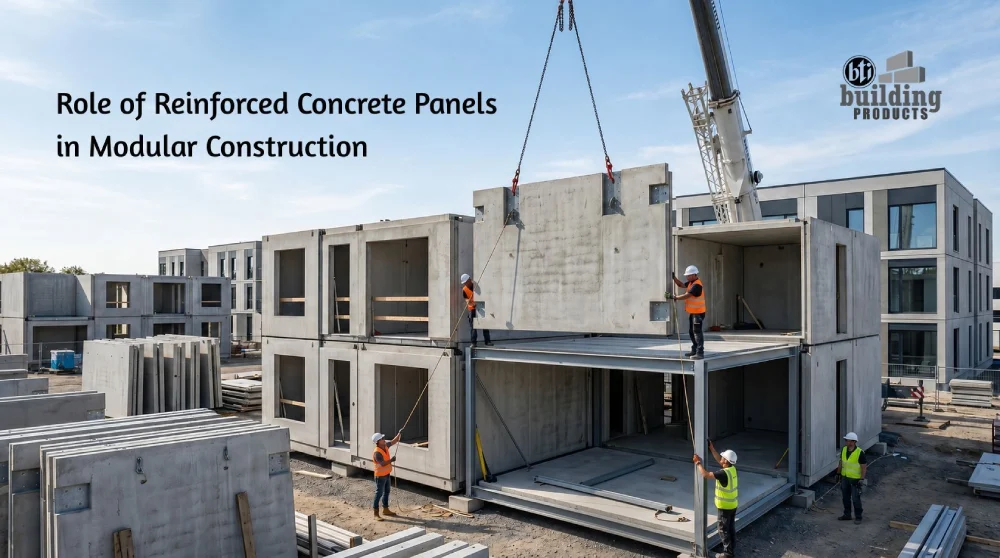
As the construction industry increasingly prioritizes sustainability, the choice of building materials plays a critical role in reducing environmental impact. Two commonly used materials; reinforced concrete panels and regular bricks are often compared for their performance, cost, and ecological footprint. This blog explores the sustainability of reinforced concrete panels versus regular bricks, examining their production, energy efficiency, durability, and recyclability to determine which is the greener option.

1. Production Process and Resource Use

Reinforced Concrete Panels

Reinforced concrete panels are precast structures made from a mixture of cement, sand, gravel, water, and steel reinforcement. The production process is highly industrialized, typically occurring in controlled factory settings. While this allows for precision and reduced waste, the environmental cost of concrete is significant:

  • Cement Production: Cement, a key component of concrete, is responsible for approximately 8% of global CO₂ emissions due to the energy-intensive process of heating limestone in kilns.
  • Resource Extraction: Mining sand and gravel depletes natural resources and can disrupt ecosystems.
  • Water Usage: Concrete production requires substantial amounts of water, which can strain local water supplies in water-scarce regions.

However, advancements like low-carbon cement and recycled aggregates are improving the sustainability of concrete panels.
Regular Bricks

Regular bricks, typically made from clay or shale, are fired in kilns at high temperatures to achieve strength and durability. The production process has its own environmental implications:

  • Energy Consumption: Firing bricks requires significant energy, often from fossil fuels, leading to high CO₂ emissions.
  • Clay Extraction: Mining clay can degrade land and disrupt local ecosystems, though clay is a relatively abundant resource.
  • Waste: Traditional brick production generates minimal waste, but damaged or unused bricks are often discarded rather than recycled.

Modern brick manufacturing is adopting cleaner energy sources and alternative materials, such as fly ash, to reduce environmental impact.

Verdict: Both materials have significant environmental costs during production. Concrete’s cement-heavy process tends to have a higher carbon footprint, but bricks’ firing process is also energy-intensive. Innovations in both industries are narrowing the gap.

2. Energy Efficiency in Construction and Use

Reinforced Concrete Panels

Precast concrete panels offer advantages in construction efficiency:

  • Speed of Construction: Panels are manufactured off-site and assembled quickly, reducing energy use on construction sites.
  • Thermal Mass: Concrete’s high thermal mass helps regulate indoor temperatures, reducing energy consumption for heating and cooling in buildings.
  • Insulation Potential: When paired with modern insulation techniques, concrete panels can enhance a building’s energy efficiency.

However, the embodied energy (energy used in production and transport) of concrete panels is high due to their weight and the energy-intensive cement production process.

Regular Bricks

Bricks also have energy-related benefits:

  • Thermal Mass: Like concrete, bricks provide good thermal mass, contributing to energy-efficient buildings.
  • Local Production: Bricks are often produced locally, reducing transportation emissions compared to concrete panels, which may require specialized transport due to their size and weight.
  • Construction Time: Bricklaying is labor-intensive and slower than installing precast panels, potentially increasing energy use during construction.

Verdict: Concrete panels have an edge in construction speed and scalability, while bricks may benefit from lower transportation emissions. Both materials offer comparable thermal mass benefits.

3. Durability and Lifespan

Reinforced Concrete Panels

Concrete panels are renowned for their durability:

  • Longevity: Reinforced concrete structures can last 50–100 years or more with proper maintenance, reducing the need for frequent replacements.
  • Resistance: Concrete is highly resistant to weathering, fire, and pests, making it a low-maintenance option.
  • End-of-Life: While durable, concrete is challenging to recycle due to the embedded steel reinforcement, and demolition often results in landfill waste.

Regular Bricks

Bricks are also highly durable:

  • Longevity: Brick structures can last centuries, as evidenced by historical buildings still standing today.
  • Resistance: Bricks are fire-resistant, weather-resistant, and less prone to pest damage.
  • Reusability: Bricks can often be salvaged and reused, reducing waste compared to concrete panels.
Verdict: Both materials are durable, but bricks have a slight advantage due to their potential for reuse, which enhances their sustainability.

4. Recyclability and End-of-Life Impact

Reinforced Concrete Panels

Concrete panels pose challenges for recycling:

  • Recycling Difficulty: Separating steel reinforcement from concrete is complex and energy-intensive.
  • Downcycling: Crushed concrete is often used as low-value fill material rather than in new construction, limiting its circularity.
  • Innovations: Emerging technologies, like carbon capture in concrete production, are improving recyclability, but they’re not yet widespread.

Regular Bricks

Bricks have a better recyclability profile:

  • Reusability: Whole bricks can often be cleaned and reused in new projects.
  • Recycling: Crushed bricks can be used as aggregate or in new brick production, though this is less common.
  • Landfill Impact: Bricks are inert and non-toxic, posing minimal environmental harm if landfilled.


Verdict: Bricks are more sustainable in terms of recyclability and end-of-life management due to their reusability.


5. Cost and Scalability

Reinforced Concrete Panels

  • Cost: Concrete panels are cost-effective for large-scale projects due to their prefabrication and quick installation.
  • Scalability: Ideal for high-rise buildings and industrial structures, making them a go-to for urban development.

Regular Bricks

  • Cost: Bricks are often cheaper for smaller projects but become costlier for large-scale construction due to labor-intensive installation.
  • Scalability: Better suited for smaller or traditional projects, though modern bricklaying techniques are improving scalability.


Verdict: Concrete panels are more scalable for modern construction, but bricks remain competitive for smaller, localized projects.

6. Regional and Contextual Considerations

The sustainability of both materials depends on local factors:

  • Availability of Resources: In regions with abundant clay, bricks may be more sustainable. Where sand and gravel are plentiful, concrete may be preferable.
  • Climate: In hot climates, the thermal mass of both materials is beneficial, but in colder regions, insulation quality becomes critical.
  • Local Practices: Areas with established brick-making traditions may find bricks more sustainable due to localized production and reduced transport.

Conclusion

Neither reinforced concrete panels nor regular bricks are inherently “the most sustainable” choice; it depends on the project, region, and priorities. Concrete panels excel in large-scale, rapid construction and offer excellent durability and thermal mass, but their high carbon footprint and recycling challenges are drawbacks. Regular bricks shine in reusability, local production, and long-term durability, though their production is energy-intensive and less scalable.

For a greener build, consider:

  • Using low-carbon concrete or alternative binders for panels.
  • Opting for locally sourced, eco-friendly bricks.
  • Prioritizing designs that maximize energy efficiency and material reuse.

Ultimately, the most sustainable choice balances environmental impact, project needs, and local context. By leveraging innovations in both materials, the construction industry can move toward a more sustainable future.

Using Unipavers in Different Rooftop Paving Styles
Unipavers

Using Unipavers in Different Rooftop Paving Styles

In urban homes and offices all across Dhaka, wide expanses are as scarce as a blue moon. To make the most of available or usable space, rooftops are no longer just flat surfaces that once upon a time would have been unused. With growing interest in outdoor spaces, rooftops these days are transforming into multipurpose functional areas; used for relaxation, gardening, or even to host social gatherings. The right type of flooring can play a major role in this transformation,where Unipavers have now become one of the most versatile choices for rooftop paving.

Unipavers—interlocking concrete blocks—are the underdog of building materials. They offer strength, durability, and a lot of design flexibility too. They are especially well-suited for rooftops, where weight management, water drainage, and low maintenance are absolutely essential. Here is an extensive list of how unipavers can be used in different rooftop paving styles:

1. Modern yet Minimalistic Style

If you love clean lines and crisp designs, Unipavers in their neutral tones can work perfectly to meet your needs. You can use a grid-like arrangement of pavers to create a sleek & chic look. Pairing them with glass railings, potted plants, or outdoor furniture can help you enhance the contemporary feel while still maintaining a minimalist feel in the space.

2. Rooftop Garden

Unipavers can be laid in alternating patterns with natural grass to create a combo with pavers and greenery. This design softens the look of the rooftop while promoting better rainwater absorption. It is a perfect style for ecologically-conscious homeowners who would like to enjoy a blend of greenery and structure.

Stone Road

3. Rustic Courtyard 

Unipavers in neutral, earth-tones like terracotta or sandstone can help you give your rooftop a warm appeal. Adding wooden furniture or clay planters can further complement the pavers beautifully, making your rooftop feel fresh like a countryside courtyard in the urban jungle.

4. Patterned Layouts

Unipavers can easily be arranged to form geometric patterns. It might be a circular centerpiece, a herringbone pattern, or alternating color blocks; patterned layouts give the rooftop a new, unique identity.

5. Lounge/ Exhibition/ Entertainment Zone

Thinking of a rooftop lounge or party space? Darker-toned Unipavers are a practical choice because they are stain and wear-resistant. Adding accent lighting between or around the paved zones can give the ambience an elevated feel. These spaces will now become both durable and stylish, capable of withstanding heavy foot traffic.

Sky old grass summer nobody

6. Traditional Terrace 

Are you looking for a more classic terrace, Unipavers arranged in simple square or rectangular styles in muted red, brown, or grey can add just a little timeless charm. If you are somebody that craves functionality with a polished, neat aesthetic. 

Why Should You Choose Unipavers for Rooftops?

  • Aesthetic Variety: Wide range of colors, shapes, and finishes. 
  • Durability: They can withstand long periods of use at a time, as well as a variety of changes in weather. 
  • Easy Maintenance: Damaged units can be replaced individually as convenient.
  • Water Drainage: The Unipavers’ Interlocking design will allow for better rainwater flow.

Unipavers can be widely used as a design tool to transform an ordinary rooftop into a stylish outdoor space that serves a purpose. With Unipavers, the customization possibilities are endless, whether you want a minimalist retreat, a green garden, or a lively lounge. 

Styles of Using Pavement Tiles in Architecture
Architecture & Building

Function Meets Art: Styles of Using Pavement Tiles in Architecture

When walking through any city, your feet will be tracing a quiet story—one told through a wide array of colors, textures, and patterns. Pavement tiles often get overlooked in the architectural conversation. They have an essential role in functionality & in framing human experience. Pavement tiles are design elements that communicate a ton, be it mood, order, rhythm or even cultural identity. They guide our steps through the built environment, unweaving history for us as we go along.

1. The Geometry of Order: Modular and Linear Patterns

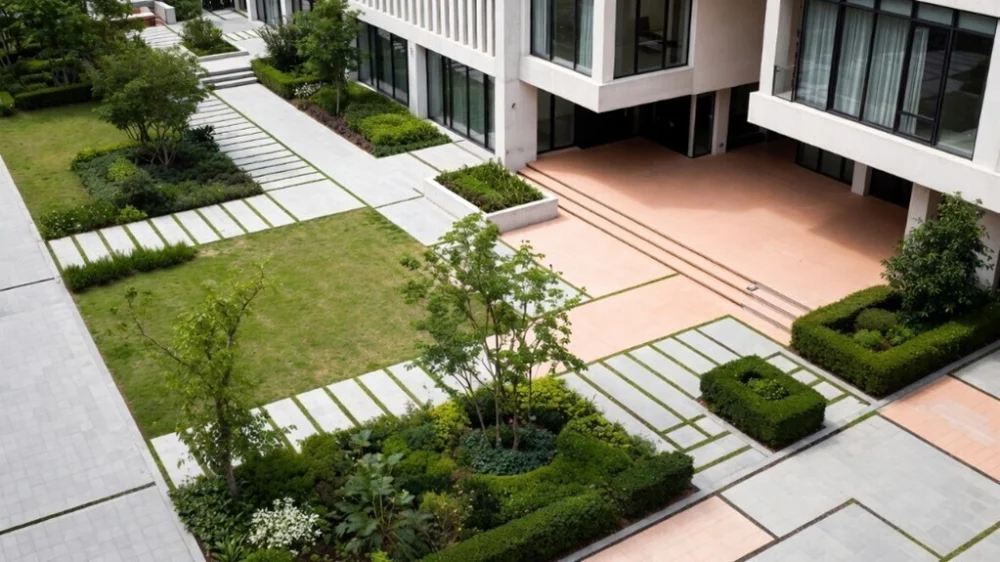
One of the most enduring styles of pavement tiling is geometric precision. Think squares, rectangles, herringbone, or chevrons—these tile arrangements aren’t just for visual appeal; they evoke a sense of structure, balance, and control.

In urban spaces like plazas and promenades, linear paving styles subtly guide pedestrian flow. In residential courtyards, modular grid patterns provide a harmonious base that perfectly complement minimalist architecture. There is something deeply comforting about order—and tiles can bring that order to life under our feet.

natural stone pavement

2. Organic Play: Curved, Mosaic, and Freeform Tiling

Organic paving styles celebrate irregularity and freedom of expression. Inspired by nature’s asymmetry, these designs use rounded tiles, natural stone, or broken ceramics arranged like puzzle pieces.

This style often shows up in Mediterranean, Spanish, and Moroccan architecture. Think of Gaudí’s Parc Güell in Barcelona—a riot of colorful, irregular tiles forming sinuous benches and winding walkways. Organic tiling doesn’t just support movement; it evokes wonder.

In today’s world, where uniformity dominates, organic pavement offers a counterbalance—a celebration of spontaneity, imperfection, and soul.

3. Cultural Echoes: Patterns with Heritage

For centuries, tiles have been vehicles for cultural storytelling. Islamic tiling with its intricate arabesques, Portuguese azulejos in public courtyards, Indian sandstone carvings—each carries history in its design.

In modern architecture, there’s a growing trend of reviving traditional patterns in modern materials.  A pavement tile may be a direct nod to a community’s heritage, reminding us of our ancestors and their histories. This fusion of past and present makes for public spaces that are deeply resonant for generations to come.

4. Vibrant Colors

With more passing time, pavement tiles are now turning from greyscale. Color is becoming more intentional in pavement tiles. Earthy terracottas can be used to warm up cold climates. Cool blues and whites bring a sense of calm to sun-drenched regions. Multi-colored mosaics brighten community parks and schoolyards.

Color psychology plays an increasingly central role in urban design, and tiles—being so visible and tactile—are a perfect medium to set the tone.

Outdoors Cobblestone Texture with Stairs

5. Sustainability & Style

As the world moves towards sustainability, more architects and designers are choosing permeable pavers, recycled materials, and eco-friendly processes. Green paving styles use open-jointed slabs, or tiles that allow for water absorption, cooling the city and supporting plant growth. The intention of moving towards sustainable architecture is to build beautifully while simultaneously caring for the ground below. 

So the next time you step onto a tiled path, take a pause for a moment. Notice the pattern. Ask where it came from, listen to what it is trying to say, how it is making you feel. The tiles you’re walking on aren’t just passive—they are shaping your journey.

In architecture, every element matters. Pavement tiles carry tradition, guide movement, and offer beauty where we least expect it—beneath our very feet. It is therefore a privilege to be able to work with pavement tiles in architecture, because you can then experiment with art & functionality. 

Minimizing Maintenance Costs with Durable Raw Materials
building products

Minimizing Maintenance Costs with Durable Raw Materials

The cost of building materials is constantly increasing, since many of them are made using natural resources that are on a rapid decline. For real estate companies to thrive in this economy, it is necessary to find ways of cutting costs without compromising on the final quality that is delivered. Reducing operational costs will not only mean that the entire operation is highly efficient, but also that the work being done reflects great productivity. Let us learn how we can work on lowering maintenance costs by incorporating durable raw materials into our construction work

  • Negotiate Contracts with Current Suppliers

If your organization has been working with your raw materials suppliers for a while, you must have already built a solid relationship with them. Whenever you are signing a new contract, negotiate a deal to get the best value for your money. Remember, while quality is key, it is always appreciable when you can knock off some more money from your yearly expenditure. 

plaster cement

  • Choose Great Quality from the Start

Prices do matter in the long run, when they present a reflection of your expenditure. However, lower prices do not necessarily mean that you need to compromise on great quality. Look around and do your research before investing in any raw materials to make the most of whatever your company buys for use. 

  • Always Track and Manage your Inventory

It is the mark of a good manager when an inventory is well-maintained. This means that you will need to conduct regular checks – monthly, quarterly, half-yearly and yearly. Keeping ahead of stocks and refilling them before they are running out, while simultaneously making sure that liquid cash is not held up in expensive stocks – is crucial to the financial wellbeing of the organization. 

  • Minimize Daily Waste

Often, many processes like making of Reinforced Concrete Panels, or mixing cement for mortar, are processes that need to be completed right before these materials are used. To minimize daily waste, make sure such materials that need to be used up immediately are measured out properly and mixed on instead of ahead of time. Preventing waste can go a long way in minimizing operations costs. You should also keep track of utilities to make sure they are not being overused, particularly electricity during the humid summers of Bangladesh. 

man works plastering two trowels plasterboard blue uniform

  • Train & Equip your Team

When we hire new construction workers on-site, we must ensure that they are used to our techniques of saving on operational costs. Workers need to know what measurements to use for plaster, mortar etc., where to store raw materials that will be required on a daily basis, etc, especially during the monsoon. When your team is fully trained and equipped, they will all be working as agents to minimize operations costs. 

High quality raw materials will allow your organization to keep building sustainable structures while keeping costs low. This will allow your real estate firm to keep making profits while delivering on quality. It will also make your structures more durable and long-lasting, standing for generations to enjoy. 

High-Quality Raw Materials Matter in Construction
building products

Why High-Quality Raw Materials Matter in Construction

In building, the foundation of every successful project is not just architectural brilliance or engineering expertise, but the materials that are used to turn those plans into reality. Among all the factors that determine the strength, safety, and durability of a structure, quality raw materials are the most important. Whether you’re constructing a residential home, commercial complex, or public infrastructure, using superior building construction materials ensures long-term value, sustainability, and peace of mind.

1. The Backbone of Structural Strength

Quality Raw Materials

The strength of any structure lies in the quality of the material used in the construction of that structure. Poor-quality materials may undermine the strength of a structure to withstand load, pressure, and weather conditions. Quality materials have greater tensile strength, compressive strength, and strength. This translates into buildings withstanding natural disasters such as earthquakes, floods, or strong winds with minimal damage.

For instance, high-grade hollow blocks with well-cured aggregates and good-grade cement possess good load-bearing capacity and dimensional stability, hence a good choice for walls and partitions.

2. Safety is Non-Negotiable

Safety comes first in every building project. The buildings built using inferior materials have greater chances of collapsing, causing damage to property, injury, and death. Superior-quality materials go a long way towards eliminating such dangers by guaranteeing the strength of the structure in handling diverse stress situations.

When building construction materials meet regulation standards and quality controls, they also make it simpler to pass inspection and be in compliance with building codes—a very important aspect of being in conformity with the law as well as protecting users.

3. Cost-Effectiveness in the Long Run

Among the common myths is that lower-cost materials decrease the cost of a project. In reality, poor-quality materials can result in higher costs for repairs, premature deterioration of the building, and more maintenance costs in the future.

Expensive raw materials are costly initially, but they last longer and give superior performance, which saves on the cost of ownership later. For example, high-density hollow blocks minimize structural load and energy consumption due to their insulation features, resulting in savings on construction and operation.

4. Aesthetic and Finishing Excellence

Beyond structural integrity, high-quality materials also contribute to the aesthetics and finish of a building. Smooth textures, consistent color, and uniform shapes result in a polished, professional appearance. Finishing work—like plastering, painting, or tiling—is significantly easier and more effective when the base materials are of high standard.

Quality hollow blocks, for example, provide a neat and precise framework that reduces the need for excessive plaster, minimizing both cost and time in the finishing stages.

5. Sustainability and Environmental Impact

Plan for Green Materials Building

In an age where sustainability has become a global priority, the choice of construction materials plays a significant role in reducing the carbon footprint of buildings. Eco-friendly materials made through energy-efficient processes and incorporating recycled content are now widely available.

High-quality building construction materials, such as hollow blocks manufactured in controlled environments using modern techniques, not only consume less cement and water but also produce less waste. These materials also enhance energy efficiency in buildings by offering better insulation, contributing to lower energy consumption.

6. Time-Saving During Construction

Projects often face delays due to material failures, inconsistencies, or the need for rework. High-quality raw materials are standardized and perform predictably, which leads to smoother workflows, quicker installations, and fewer onsite issues. This efficiency not only keeps the project on schedule but also reduces labor costs.

For instance, factory-made hollow blocks ensure consistency in size and strength, allowing masons to work faster and achieve uniform walls with minimal adjustment.

7. Market Value Appreciation

A building constructed with quality materials has a higher market value by default. Whether you are planning to sell, lease, or rent the building, clients and tenants will tend to choose a building that promises durability, safety, and low maintenance. Real estate agents also like to advertise houses constructed with dependable, high-quality materials.

Additionally, if the building is certified with LEED (Leadership in Energy and Environmental Design), which are typically materials of high quality, it even increases the property’s authenticity and resale value.

8. Case in Point: The Use of Hollow Blocks

Hollow blocks are a perfect example of how quality building materials can alter the outcome of construction. In comparison with regular bricks, hollow blocks are larger in dimension, which reduces joints and enhances the speed of construction. Their hollow cavities provide great heat and sound insulation, increasing the comfort of interiors.

If produced by better raw materials in quality-checked factories, such blocks are even more efficient, durable, and eco-friendly. Larger-scale builders and construction companies now produce hollow blocks themselves to ensure an equal quality level and accessibility, underscoring their position as a central element in contemporary construction.

At the core of every long-lasting, beautiful, and functional building is a foundation of quality raw materials. From ensuring structural soundness and safety to optimizing aesthetics and sustainability, the importance of high-quality building construction materials cannot be overstated.

While the market may offer a multitude of choices, discerning builders, architects, and homeowners know that compromises in raw materials can have permanent consequences. Spending on quality materials like hollow blocks, high-strength cement, and laboratory-tested aggregates is therefore not a choice but a responsibility.

Reinforced Concrete Panels
building products

Reinforced Concrete Panels: The Future of Architecture

One of the best technological advances that has been gaining momentum in recent times is the reinforced concrete panel. As the world is becoming increasingly worried about issues related to climate change and sustainability, low or no-waste raw materials are slowly also becoming more common. In today’s modern architecture, it is not enough to just build a structure as per the basic requirements of the area. Rather, it is crucial to also take into account how we can use fewer non-renewable resources for an optimal output. This will then allow us to leave something positive for our future generations. 

bti is a leading Bangladeshi real-estate developer with over 40 years legacy in its name. Not only is the company known for introducing innovative raw materials such as concrete hollow blocks for use in construction, they are dedicated to providing the best customer service, as well as on-time handover. After thorough research, the company’s building products wing decided to introduce reinforced concrete panels instead, a more well-thought out version of concrete hollow blocks

Use of concrete hollow blocks

Often, reinforced concrete panels are made on-site, making them a great option for use in larger scale projects. This is because they reduce operational costs like transportation and storage (as they are made only when necessary, saving on warehousing costs as well). Also, the molds/ forms used in making these are customizable, allowing the creation of panels with minimal wastage – which undoubtedly adds to their versatility too. Construction workers and engineers must be well-trained on the making of reinforced concrete panels to make the entire construction process more efficient and streamlined.                

When bti makes reinforced concrete panels for use, they use a foaming agent with the concrete to ensure that it sets quicker than regular concrete. This foaming agent has the added advantage of ensuring that the end product is even lighter than concrete hollow blocks. Therefore, using reinforced concrete panels will make the entire structure up to 70% more lightweight, while still remaining as strong and durable as before. 

Green Building           

While bti building products is currently only making enough reinforced concrete panels for use in its own projects, these panels can have far-reaching impacts if used in infrastructure such as dams, bridges, etc. They are also highly durable, which means that using these in construction will ensure the longevity of the project, be it a residential or commercial building, or even infrastructure. 

As the human population of the world keeps growing while natural resources keep getting depleted, it is becoming even more of a necessity for us as global citizens to incorporate sustainability into every aspect of our lives. It is only when we are able to ensure the widespread use of reinforced concrete panels that we will be able to take a positive step towards a sustainable future.  

16604