
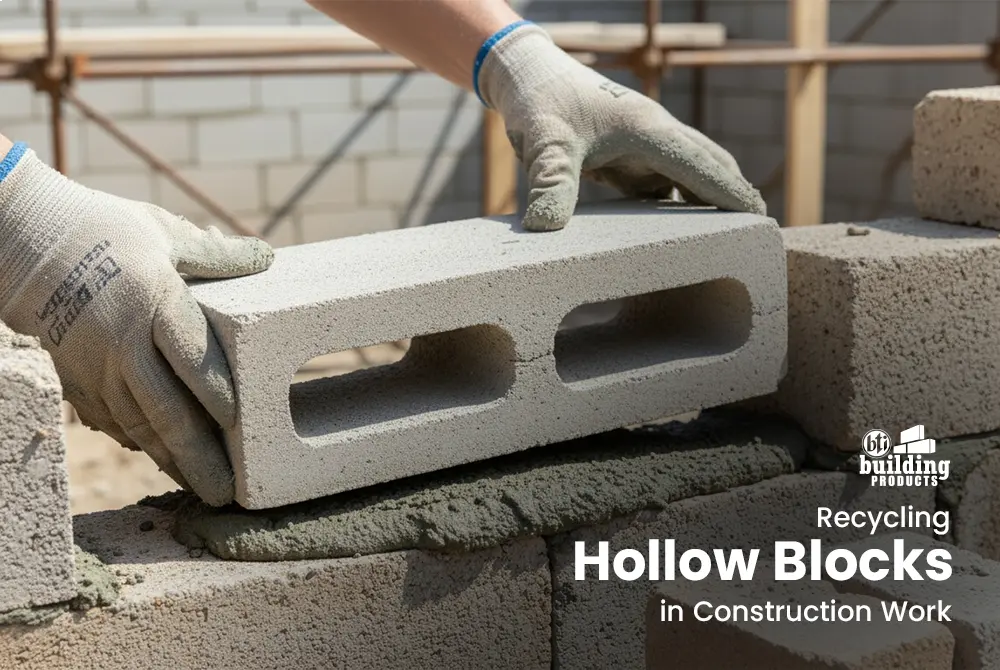
Recycling Hollow Blocks in Construction Work
The construction industry is undergoing a critical shift toward sustainability, driven by rising material costs, environmental regulations, and growing awareness of responsible building practices. Among various construction materials, hollow blocks stand out not only for their structural efficiency but also for their recyclability. Hollow block recycling is increasingly becoming a practical solution for reducing construction waste, conserving resources, and promoting environmentally conscious development.
Understanding Hollow Blocks in Construction
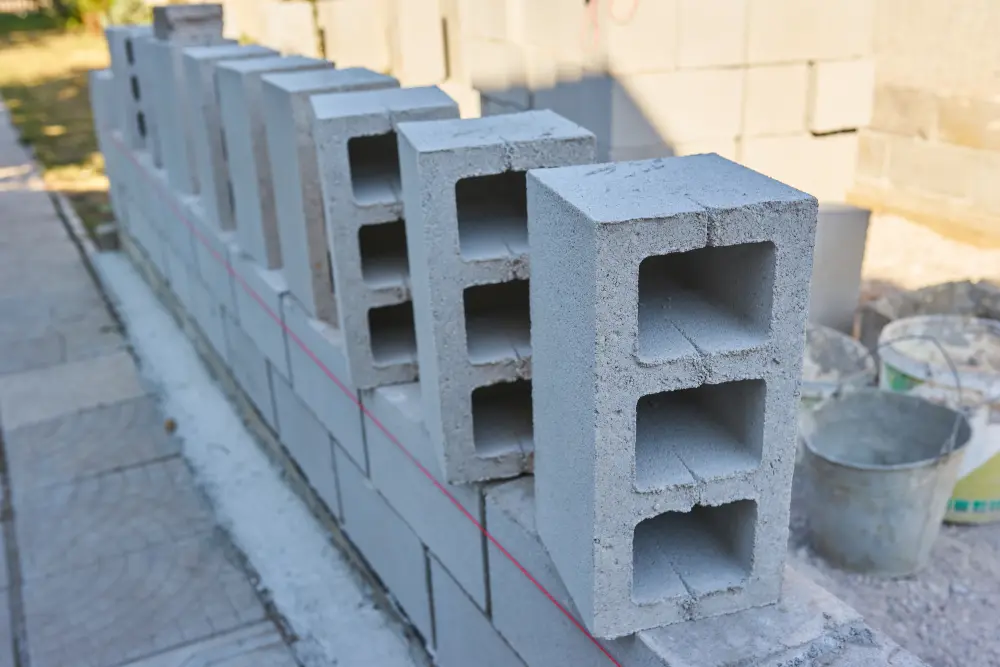
Hollow blocks are widely used in residential, commercial, and industrial construction due to their lightweight structure, durability, thermal insulation, and cost efficiency. Their internal voids reduce material usage while maintaining structural strength, making them a preferred alternative to solid concrete blocks.
However, like all construction materials, hollow blocks can generate waste during demolition, renovation, or surplus from construction sites. Recycling these blocks helps convert potential waste into valuable reusable resources.
Why Recycling Hollow Blocks Matters
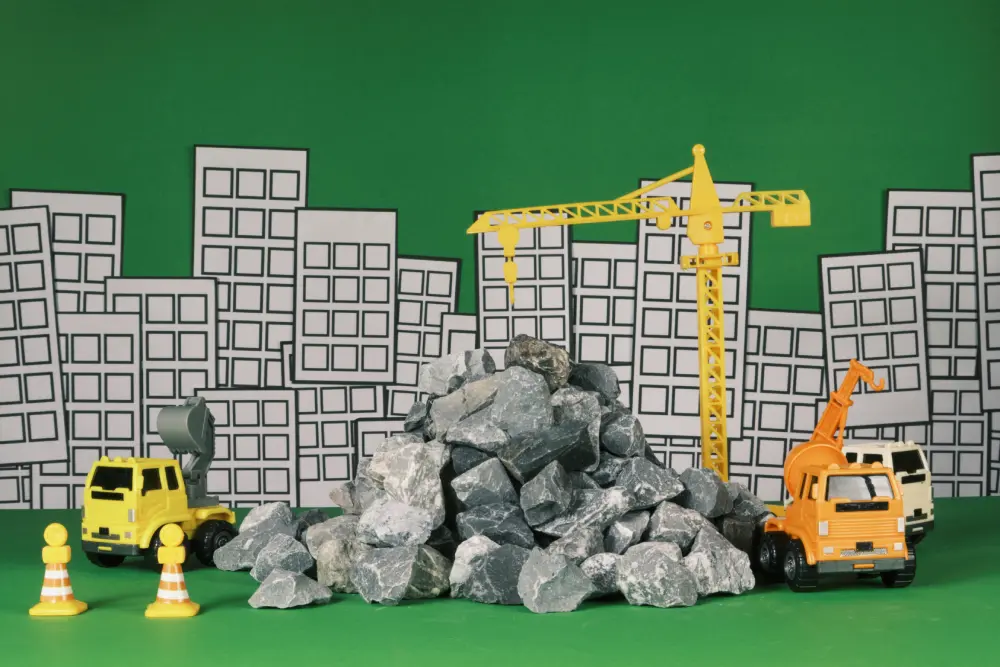
Construction and demolition waste account for a significant portion of landfill pressure worldwide. Recycling hollow blocks directly addresses this issue by:
- Reducing landfill waste
- Conserving natural resources such as sand, stone, and cement
- Lowering carbon emissions associated with new material production
- Cutting down construction costs through material reuse
By integrating hollow block recycling into construction workflows, developers can align with green building standards and sustainability goals.
How Hollow Blocks Are Recycled
Recycling hollow blocks is a systematic process that transforms discarded blocks into reusable construction material. The typical steps include:
- Collection and Sorting
Broken, damaged, or unused hollow blocks are collected from construction or demolition sites and separated from other waste materials.
- Crushing and Processing
The blocks are crushed into aggregates of varying sizes using mechanical crushers. These recycled aggregates can replace natural aggregates in many construction applications.
- Screening and Quality Control
The crushed material is screened to ensure uniform size and tested for strength and usability.
- Reuse in New Construction
Recycled hollow block material can be used in road sub-bases, non-structural concrete, pavement blocks, boundary walls, and even in the manufacturing of new hollow blocks.
Applications of Recycled Hollow Blocks
Recycled hollow block materials are versatile and can be used across multiple construction activities:
- Manufacturing new hollow blocks
- Road base and sub-base layers
- Backfilling and leveling work
- Non-load-bearing walls
- Landscaping and outdoor paving
This reuse not only reduces raw material dependency but also ensures optimal utilization of existing resources.
Environmental Benefits of Hollow Blocks Recycling
The environmental impact of recycling hollow blocks is substantial:
- Lower Carbon Footprint: Recycling requires less energy than producing new concrete blocks from raw materials.
- Reduced Resource Extraction: Decreases demand for quarrying sand and stone.
- Waste Minimization: Prevents construction debris from ending up in landfills.
- Support for Green Certification: Encourages compliance with LEED and other green building standards.
For developers and contractors, adopting recycling practices strengthens their commitment to sustainable construction.
Economic Advantages for Builders and Developers
Beyond environmental responsibility, recycling hollow blocks offers tangible economic benefits:
- Reduced disposal and transportation costs
- Lower material procurement expenses
- Improved project efficiency through on-site recycling
- Enhanced brand reputation for sustainable practices
In markets where construction material prices fluctuate, recycled materials offer a stable and cost-effective alternative.
Challenges in Recycling Hollow Blocks
Despite its advantages, hollow blocks recycling faces certain challenges:
- Initial setup cost for recycling equipment
- Need for proper segregation at construction sites
- Quality control to meet structural standards
- Limited awareness and technical expertise in some regions
However, with proper planning, investment, and regulatory support, these challenges can be effectively addressed.
The Future of Hollow Block Recycling
As sustainable construction becomes a priority, recycling hollow blocks will play an increasingly important role. Innovations in crushing technology, improved material testing, and growing demand for eco-friendly buildings are accelerating the adoption of recycled construction materials.
Forward-thinking construction firms are already integrating recycling into their operations—setting benchmarks for efficiency, sustainability, and responsible development.
Conclusion
Recycling hollow blocks in construction work is no longer an optional practice—it is a strategic necessity. By embracing hollow block recycling, the construction industry can significantly reduce environmental impact while improving cost efficiency and resource management.
As cities grow and construction demands rise, sustainable solutions like hollow block recycling will define the future of responsible building—ensuring progress that is both durable and environmentally sound.